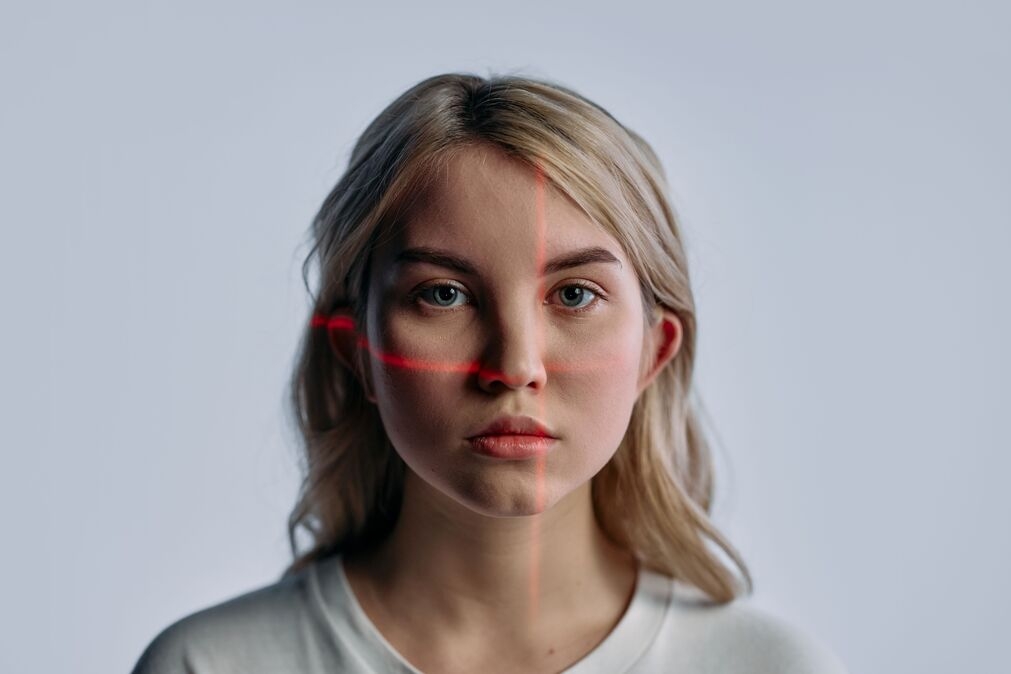
In the summer, we saw footballers license their likeness for World Cup campaigns, one deal at a time. ECHO takes that idea and turns it into a broader system, backed by the biggest names in advertising.
What the ECHO platform actually does
ECHO is built on a partnership between WPP and CAA, and draws on The CAA Vault, where CAA captures, stores and licenses its clients’ digital likeness, voice and IP. According to Ogilvy, a shoot that would normally produce 8 to 10 assets can now produce 30 to 50, with the cost per asset falling by up to 65 to 75%. The advantage here is that brands can respond to trends, holidays and local markets without ever bringing talent back to set.
For us at TrueRights, the controls are the interesting part. Every asset is checked against the talent’s usage terms, nothing goes out without sign-off from the talent and their agent, and finished ads carry a visible label saying they were recreated with AI and approved by the talent themselves. Ogilvy’s own research found that explicit talent approval raised trust for 45% of UK respondents. The first ECHO ads are expected to air during this festive season.
Measuring ECHO against a fair deal
The announcement of ECHO shows that the biggest players in advertising now treat likeness as something that can be licensed. It also strengthens the commercial case: if one shoot yields three to five times as many assets, likeness stops being a one-off fee and becomes something a brand returns to across a whole campaign.
Against the basics of what we deem to be a fair AI likeness deal, ECHO covers consent upfront, clear terms of use, approval before release and honest labelling.
We’ve flagged two that are still open:
Payment for every use - CAA says the Vault lets talent monetise their likeness on their own terms, but neither CAA nor Ogilvy has said how talent are paid for each ECHO ad.
Visibility once it’s live - CAA promises talent “full visibility” but hasn’t explained how they’ll track an ad once it’s live, or check it stays within the agreed terms.
Both problems grow with every extra asset. Fifty assets from one shoot means fifty uses to price and fifty placements to track.
Where TrueRights fits
ECHO works because CAA has a scanning facility, a legal team, agents to approve the work and a roster big enough to justify building it all. Most creators, models and the agencies who represent them don’t have that same infrastructure at their disposal. But brands won’t only want AI likeness for the biggest names. They’ll want it for ambassadors, mid-tier creators, models and UGC talent, because that’s where most campaign budgets go.
That’s who TrueRights is built for. We’re the rights and clearance infrastructure sitting between talent, brands and AI platforms, so a smaller and mid-tier agencies can offer AI campaigns on fair terms without needing to build its own system. Talent and their managers set out how they’re willing to be used, including for AI, once and upfront. From there, we handle the two parts ECHO hasn’t shown yet:
1. Pricing every use: TrueRates prices the rights for each use and turns that rate into contract-ready usage clauses, so the 37th asset is priced as carefully as the first.
2. Tracking live use: Once a deal is live, talent can monitor how their content is being used, so they can check the terms of the licence are being kept.
It works for a football agent with five players, as well as a brand with fifty ambassadors.
If you’re a rights holder, an agency or a brand thinking about how your talent shows up in AI campaigns, I’d love to talk. Reach out on LinkedIn or email me at harry@truerights.com.
Details on ECHO are taken from Ogilvy’s announcement on 9 November 2026 and reporting by The New York Times and Digiday. This article is general information, not legal advice.